
The shop as a landmark
In many communities, a spaza shop is more than a place to buy small items. It becomes a direction point, a meeting spot and a daily rhythm. People remember who owned it, what it sold and how it changed as the neighbourhood changed.
The shop also reflects practical life. It sits close enough for bread, milk, soap, snacks or airtime when a supermarket trip would take too long. That convenience gives it a place in memory that large stores rarely hold.
Retail at human scale
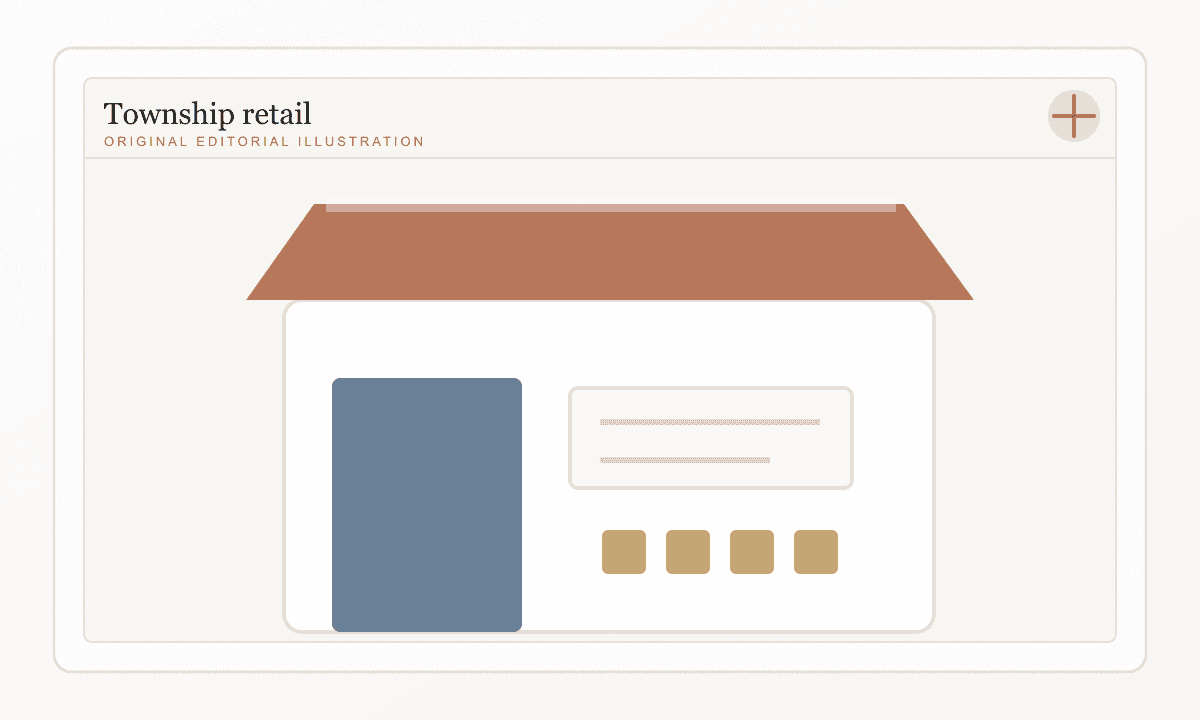
Township retail culture is built on familiarity. Regular customers are known by face. Children are sent with coins and instructions. Credit, trust, caution and neighbourliness can all exist within the same doorway.
Over time, the products on the shelves tell a quiet story of change: new drinks, new phone vouchers, new packaging and new payment habits. The small shop becomes a record of ordinary economic history.
Remembering without romanticising
Nostalgia works best when it stays honest. Spaza shops can represent warmth and resourcefulness, but they also operate under real pressure. A careful article should honour both the memory and the work behind the counter.
Sources and notes
- Editorial note: expand with interviews, local business records and properly credited neighbourhood photographs.