The walk to the shop
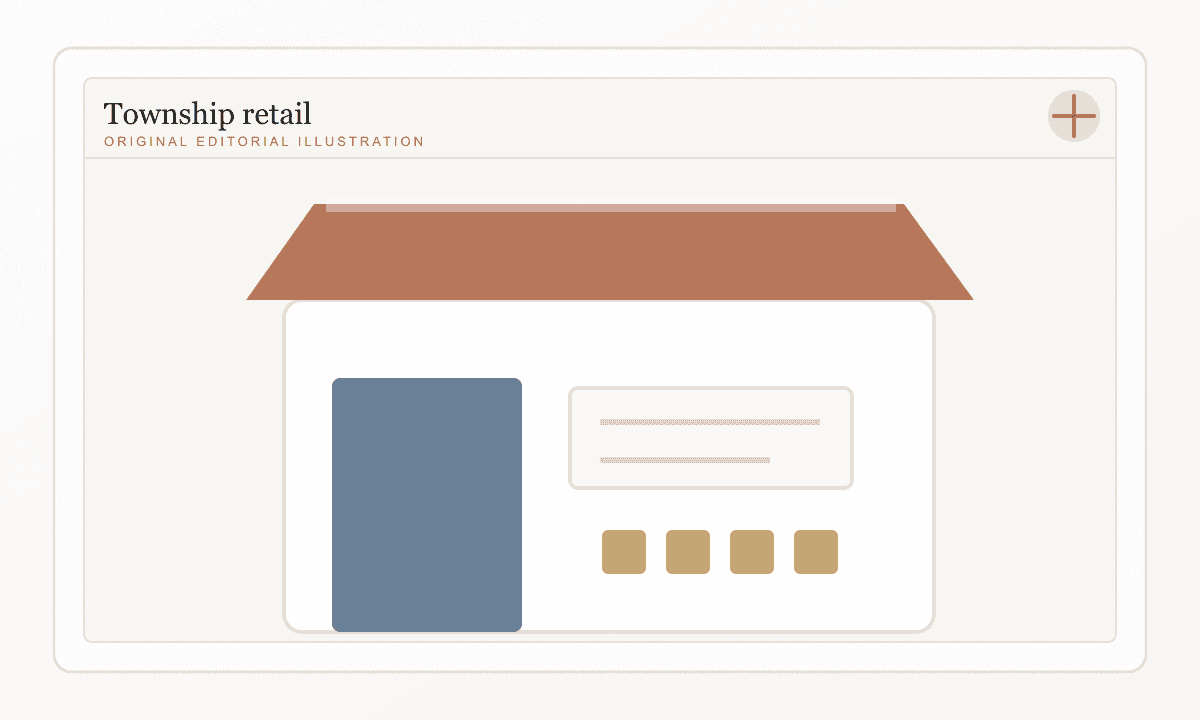
For many children, the walk to the corner shop was one of the first small freedoms. It was close enough to be trusted, far enough to feel like an errand, and important enough to carry instructions carefully.
A few coins could become loose sweets, a cooldrink, bread, milk or a small treat shared on the way home. These ordinary purchases are why small shops remain so sharp in memory.
A counter full of choices
The counter was often where the strongest memories lived: jars, packets, lollipops, gum, chips, airtime and handwritten price signs. Children learned value by comparing what could be bought with the money in hand.
A corner shop also held social memory. The person behind the counter knew who belonged nearby, who was sent by a parent and who was trying to stretch coins as far as possible.
Sources and notes
- Editorial note: invite reader memories and original shop photographs with clear credit and permission.