
A phone that felt like a milestone
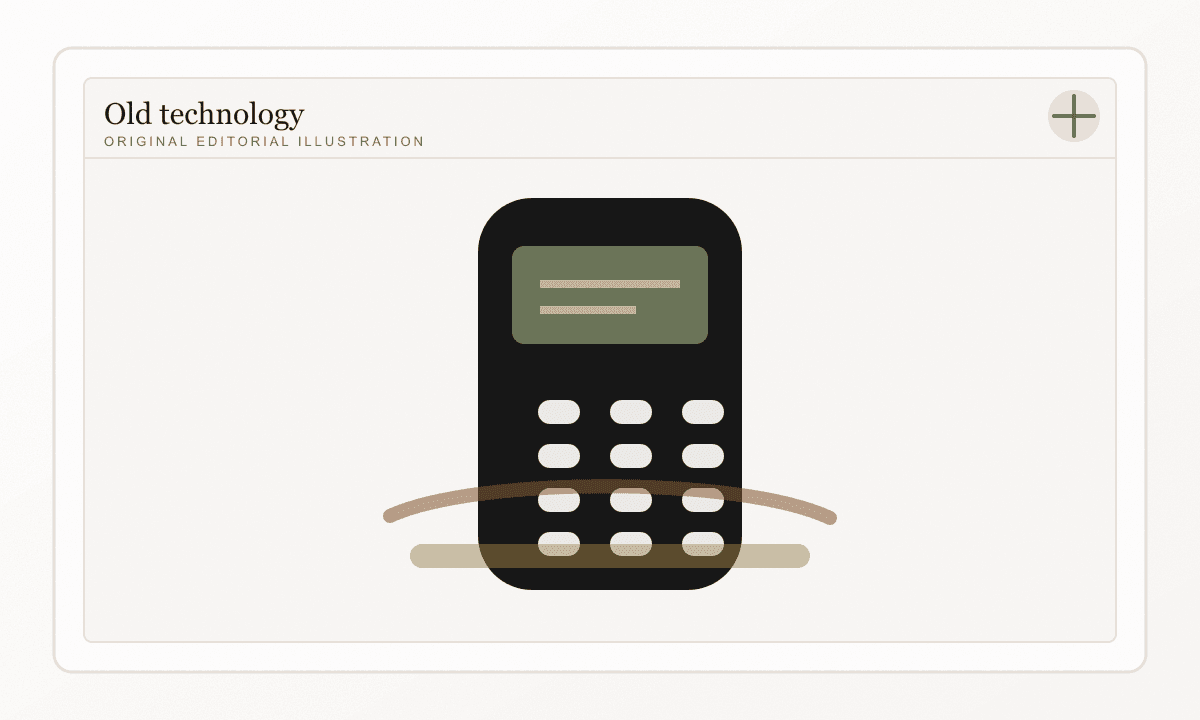
Long before smartphones became small glass televisions in our pockets, the early mobile phone carried a simpler promise: you could be reached. The Nokia 3310 became one of the clearest symbols of that promise. It was compact, sturdy and familiar enough to pass from sibling to sibling without much ceremony.
In South African homes, it lived beside prepaid airtime slips, charger plugs and handwritten contact lists. The phone did not ask for updates, cloud accounts or a data bundle before it became useful. You charged it, inserted a SIM card and joined the mobile world.
Why the memory stayed
Part of the 3310's appeal was physical. The keys clicked. The battery lasted. The menus were plain. Its limitations shaped habits: short SMS messages, missed-call signals, careful airtime use and ringtone swapping between friends.
The phone eventually faded as color screens, cameras, internet browsing and smartphones changed what people expected from a device. Yet it remains powerful in memory because it belonged to a clear chapter: the moment mobile life became ordinary, affordable and personal.
What it reminds us of now
Looking back at the 3310 is not only about a brand or a model number. It is about an era when technology felt durable and understandable. It reminds us that progress does not only mean more features. Sometimes the object people remember most is the one that did a few things well and survived daily life.
Sources and notes
- Editorial note: expand with local interviews, mobile industry archives and original device photographs before long-form publication.