
When a phone did fewer things
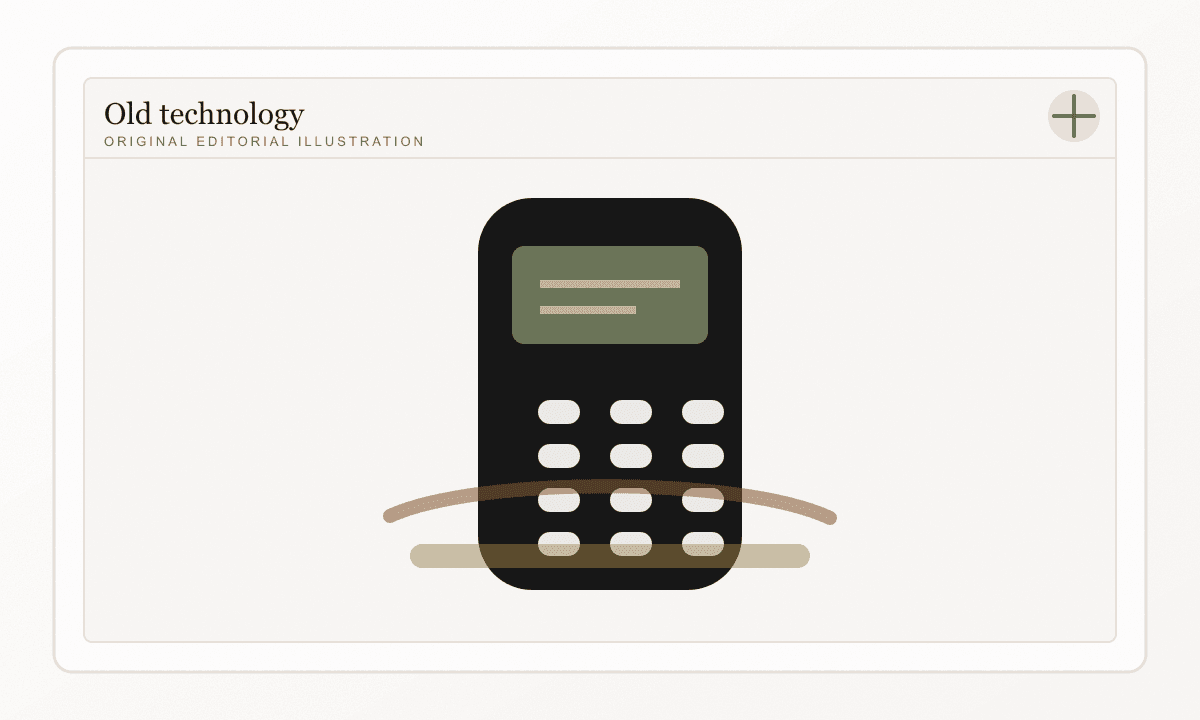
Older cellphones were mostly for calls, SMS, alarms, ringtones and simple games. That limitation shaped behaviour. People saved airtime, typed shorter messages and used missed calls as signals.
Because phones did fewer things, they demanded less constant attention. A person could carry one all day without feeling that an entire public life was inside it.
The smartphone as a daily centre
Today the phone is a camera, bank, map, television, radio, notebook and social space. It is more useful, but also more difficult to ignore.
Comparing cellphones then and now helps explain why early devices feel nostalgic. They belonged to a smaller, slower mobile culture even as they were exciting at the time.
Sources and notes
- Editorial note: expand with local interviews and verified device-history references.